Building a
Circular Economy.
At DercolBags, we go beyond packaging. We architect sustainable livelihoods, eliminate environmental waste, and empower regional businesses.
Plastic waste eliminated
CO₂ Emissions reduced
Businesses served
Lives impacted
Jobs created
Empowering Communities Through Wealth Creation.
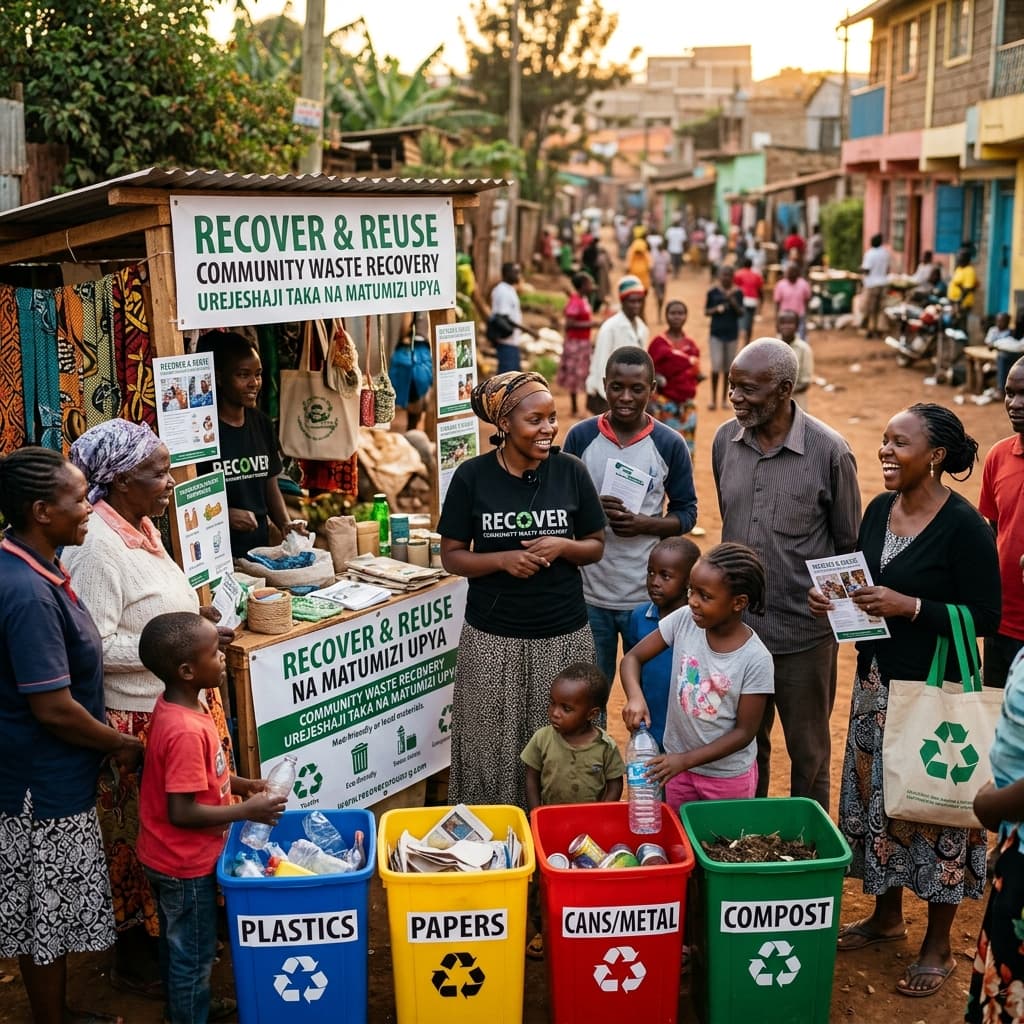
We work directly with local nodes to transform waste into economic opportunity.
- Supporting informal waste pickers with stable income
- Creating opportunities for women and youth
- Training individuals in sustainable packaging and recycling
- Building inclusive participation in the circular economy
Trained
Women
Income ↑
Reducing Waste. Restoring Earth.
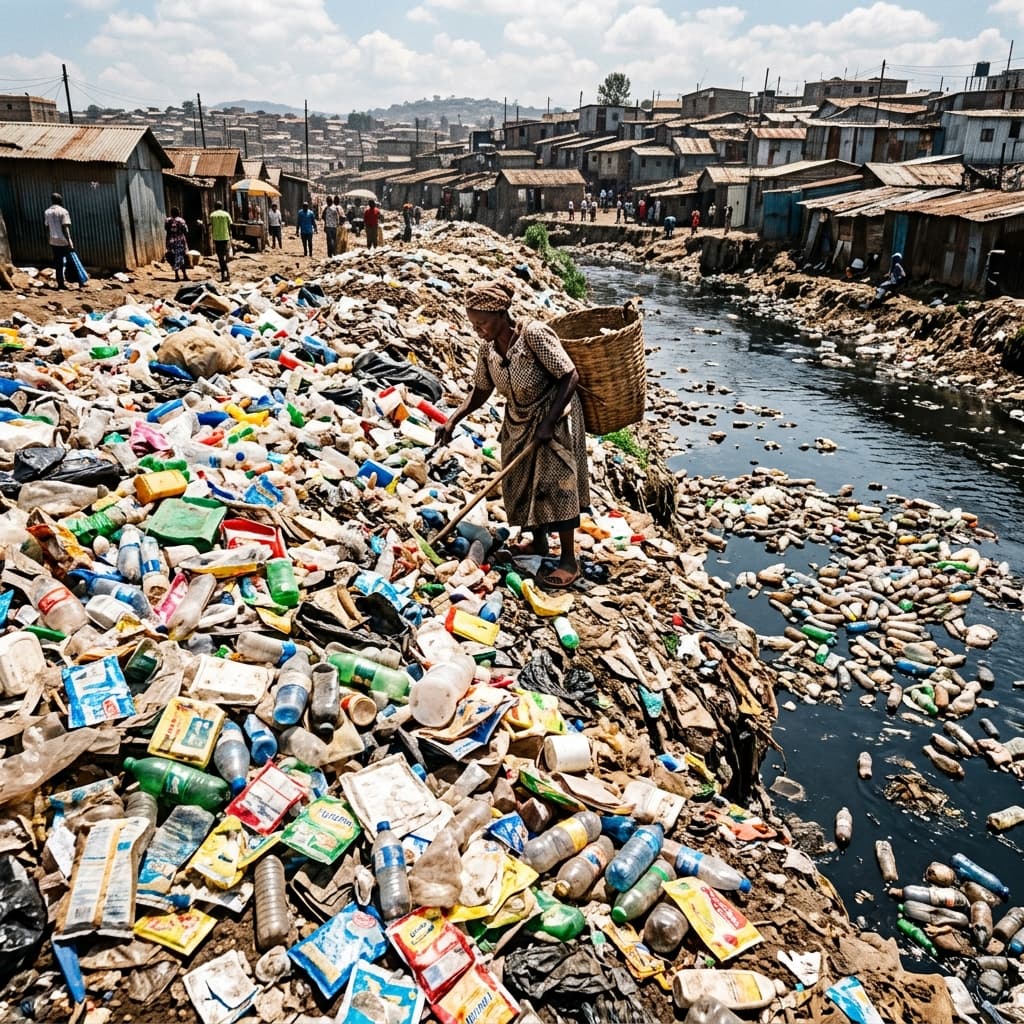
West Africa faces a growing waste crisis. We are reversing it by diverting waste from landfills and ecosystems.
Tons Plastic Removed
CO₂ Emissions Reduced

Enabling SMEs to Scale Safely.
We architect the growth of small businesses by reducing environmental impact through precision packaging solutions.
Businesses Supported
Improved income across the entire regional supply chain.
A Circular System That Benefits Everyone.
Waste Generation
Communities and industries generate waste, identifying it as an untapped resource for the circular economy.
Ethical Collection
Waste pickers recover materials under fair conditions, securing reliable income and environmental health.
Aggregation
Local hubs consolidate recovered materials, streamlining them for industrial-scale processing.
Precision Processing
Advanced recycling transforms raw waste into high-quality sustainable inputs for manufacturing.
Production
DercolBags engineers these inputs into premium, fibre-based packaging solutions.
Result: Waste becomes Value.
Transforming an environmental liability into a multidimensional economic asset for all.
Scaling Impact
Across Africa.
By 2030, we are architecting the continent's definitive circular node network.
Waste Diverted [MT]
Green Jobs Built
SMEs Empowered
Countries Expanded
Why This Matters.
"Waste is not just an environmental problem - it is an untapped economic resource. By building a circular ecosystem, we are creating jobs, supporting businesses, and protecting our environment at scale."